Structure of the skin and its natural moisture barrier
Structure of the skin and its natural moisture barrier
The skin consists of three main layers, with the outermost layer, the epidermis, playing a central protective role and regulating moisture balance. New skin cells are continuously formed in this layer, migrating upwards and differentiating into the stratum corneum. Together with its dead cells and the surrounding lipid structure, this layer forms an effective barrier that protects the skin from moisture loss and external influences.
The corneocytes are surrounded by a protective envelope of structural proteins as well as intercellular lipids, in particular ceramides. Within these cells are water-binding substances known as Natural Moisturizing Factors (NMF). These include, among others, free amino acids and their degradation products such as lactic acid, urea, citrates and urocanic acid, as well as minerals and electrolytes such as sodium, calcium, magnesium and potassium.
These components play a key role in binding water within the stratum corneum, thereby helping to keep the skin supple, elastic and resilient.
Importance of NMF for the skin barrier
The skin’s natural moisture barrier is based on a finely balanced interaction between lipids and NMF. If this structure is disrupted, increased transepidermal water loss (TEWL) may occur. As a result, the skin loses moisture, appears drier and may become more sensitive to external influences.
Such changes may be promoted, among other factors, by external influences such as frequent cleansing, unsuitable skincare products or environmental conditions.
Skin changes after aesthetic treatments
Aesthetic treatments such as laser procedures, chemical peels or surgical interventions may temporarily impair the skin barrier. During this phase, the skin often becomes more sensitive and may lose moisture more easily.
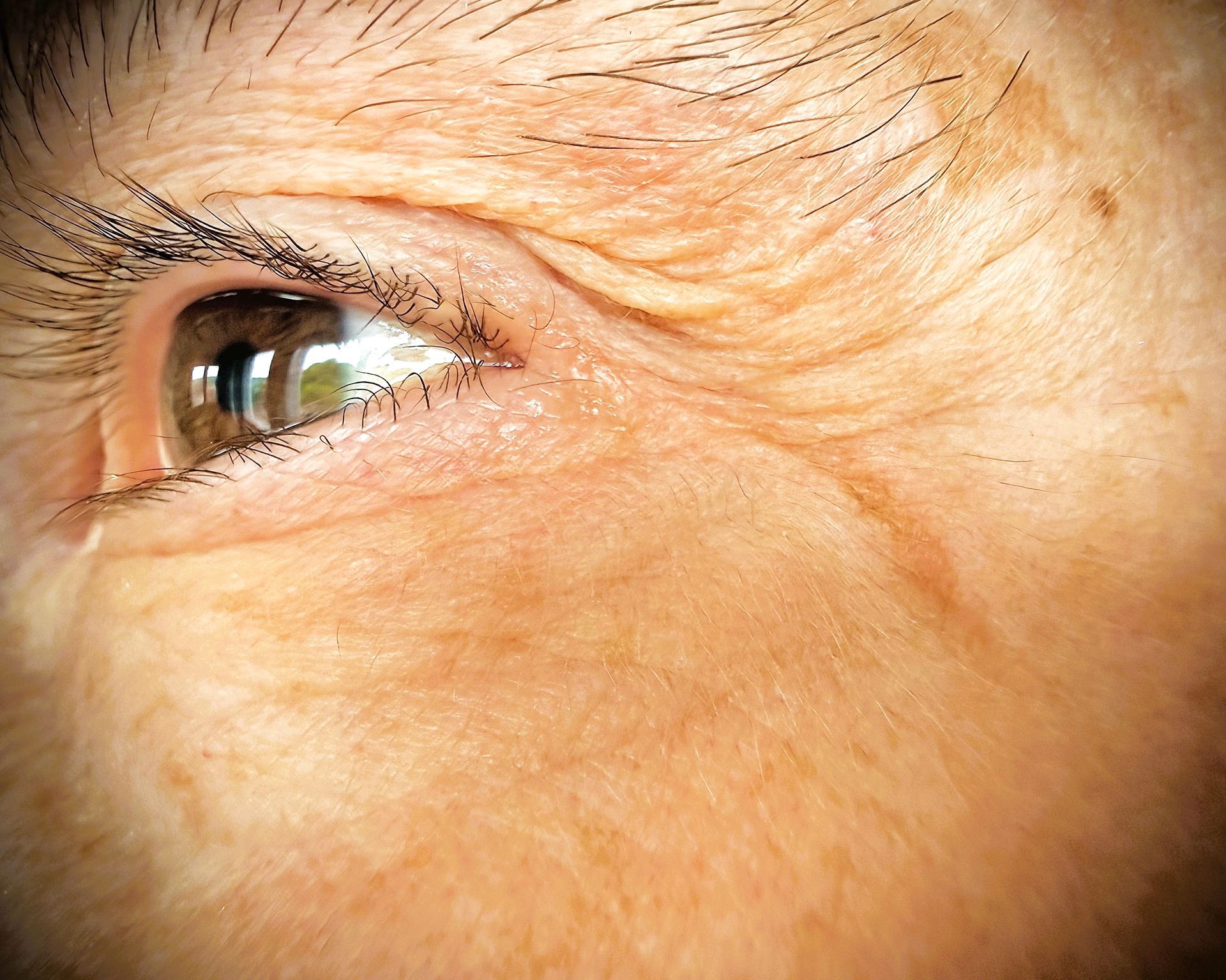
Particularly in the eyelid area, the skin is very thin and sensitive. Changes in the skin barrier can therefore more quickly lead to dryness or a feeling of tension.
Supporting the skin in sensitive phases
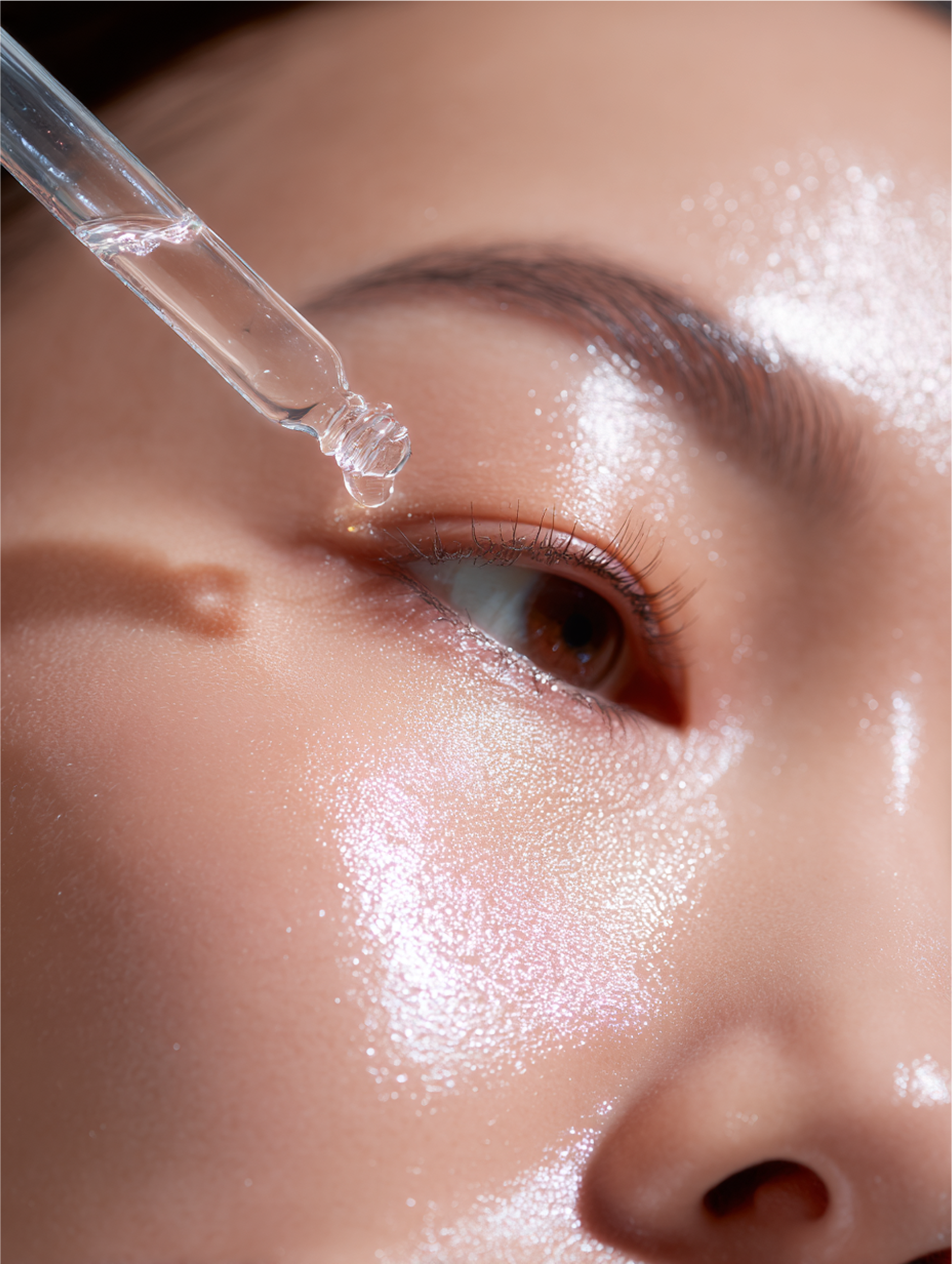
Appropriate skincare may help support the skin during such phases and contribute to maintaining the balance of the skin barrier. Particular focus is placed on maintaining moisture balance and protecting the natural structure of the skin.
A targeted focus on moisture-binding components as well as skin-identical lipids may be beneficial in supporting the function of the stratum corneum and promoting a balanced skin appearance.
Conclusion
Natural Moisturizing Factors (NMF) play a central role in moisture retention and the integrity of the skin barrier. Their interaction with epidermal lipids is essential for a stable and resilient skin environment.
Understanding these mechanisms provides the foundation for structured and targeted skincare – particularly in sensitive phases or when the skin is under stress.
References
Baki, G., & Alexander, K. S. Introduction to Cosmetic Formulation and Technology. Hoboken, NJ: John Wiley & Sons, 2015, pp. 154–155.
Schaefer, H., & Redelmeier, T. E. Skin Barrier: Principles of Percutaneous Absorption. Basel: Karger, 1996, pp. 310–330.
Farris, P. K. Cosmeceuticals and Cosmetic Practice. Wiley-Blackwell, 2014, pp. 135–136.
Letzte Beiträge